About Bronchitis Symptoms Treatment Prevention Types When to See a Doctor Ask the Lung Dr
Reviewed by BuiltForAI Healthcare
Evidence-Based Respiratory Health

Breathe Easier with Expert Bronchitis Guidance

Trusted, clinician-reviewed information on acute and chronic bronchitis. Understand your symptoms, explore treatments, and know when to seek care.

10M+
Cases / Year
90%
Resolve w/o Antibiotics
3 wk
Avg Recovery
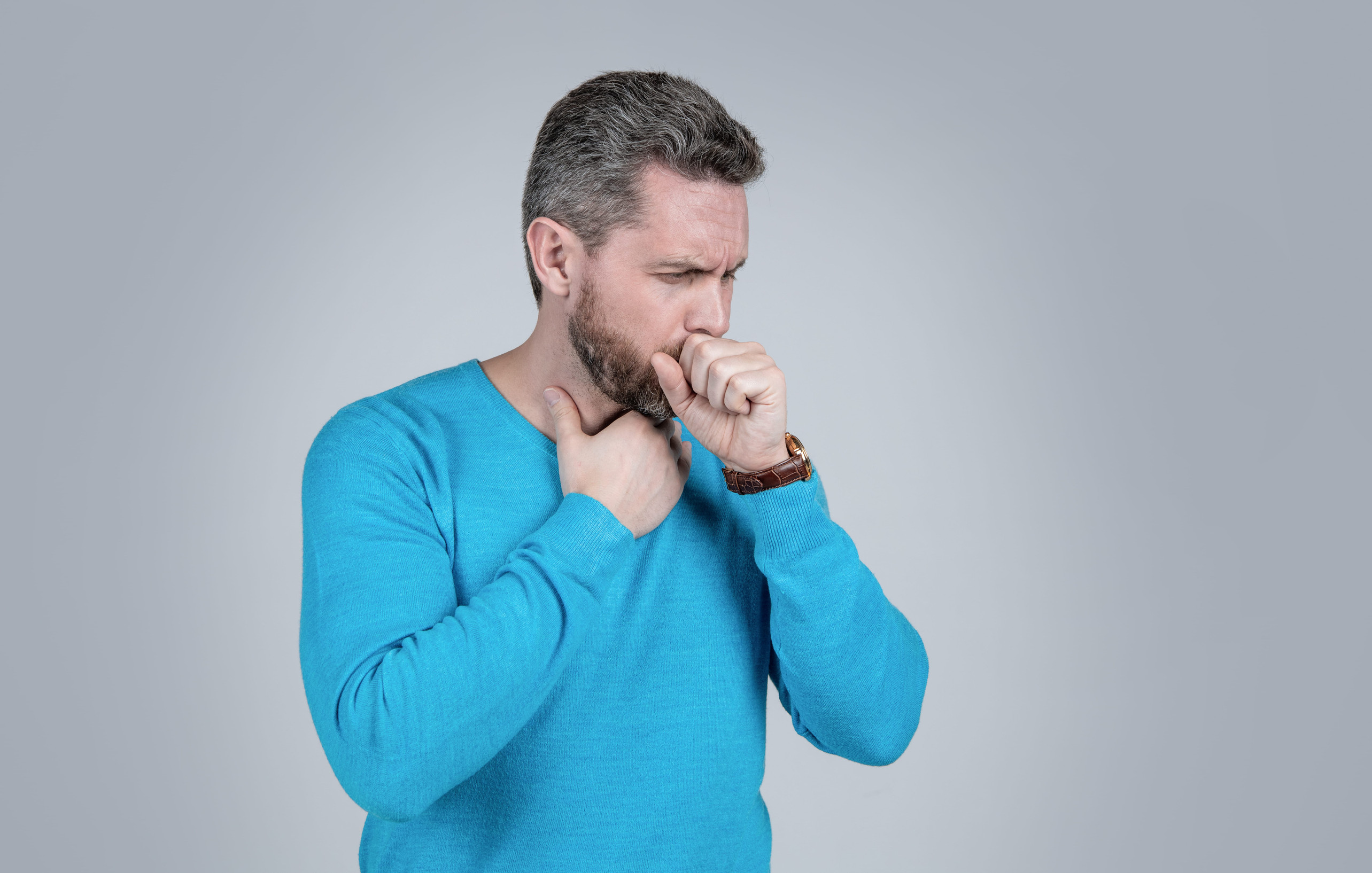
Man experiencing bronchitis cough symptoms
About Bronchitis

Your Bronchial Tubes Are Inflamed. Here's What That Actually Means.

Bronchitis happens when the lining of your bronchial tubes, the airways that carry air to and from your lungs, becomes inflamed and swollen. That swelling narrows the passages and triggers your body's natural response: a persistent, sometimes painful cough that can last weeks.

Most cases start with the same virus that causes a cold or flu. The infection clears, but the inflammation lingers. Your airways produce excess mucus, you cough to clear it, and the cycle continues for 10 days to 4 weeks.

Acute bronchitis affects roughly 5% of adults every year, making it one of the top 10 reasons people visit their doctor. Most cases resolve on their own, but knowing which symptoms need medical attention makes a real difference.
Two Distinct Conditions

Acute vs. Chronic Bronchitis

They share a name but behave differently. Understanding which type you're dealing with changes everything about how you treat it.

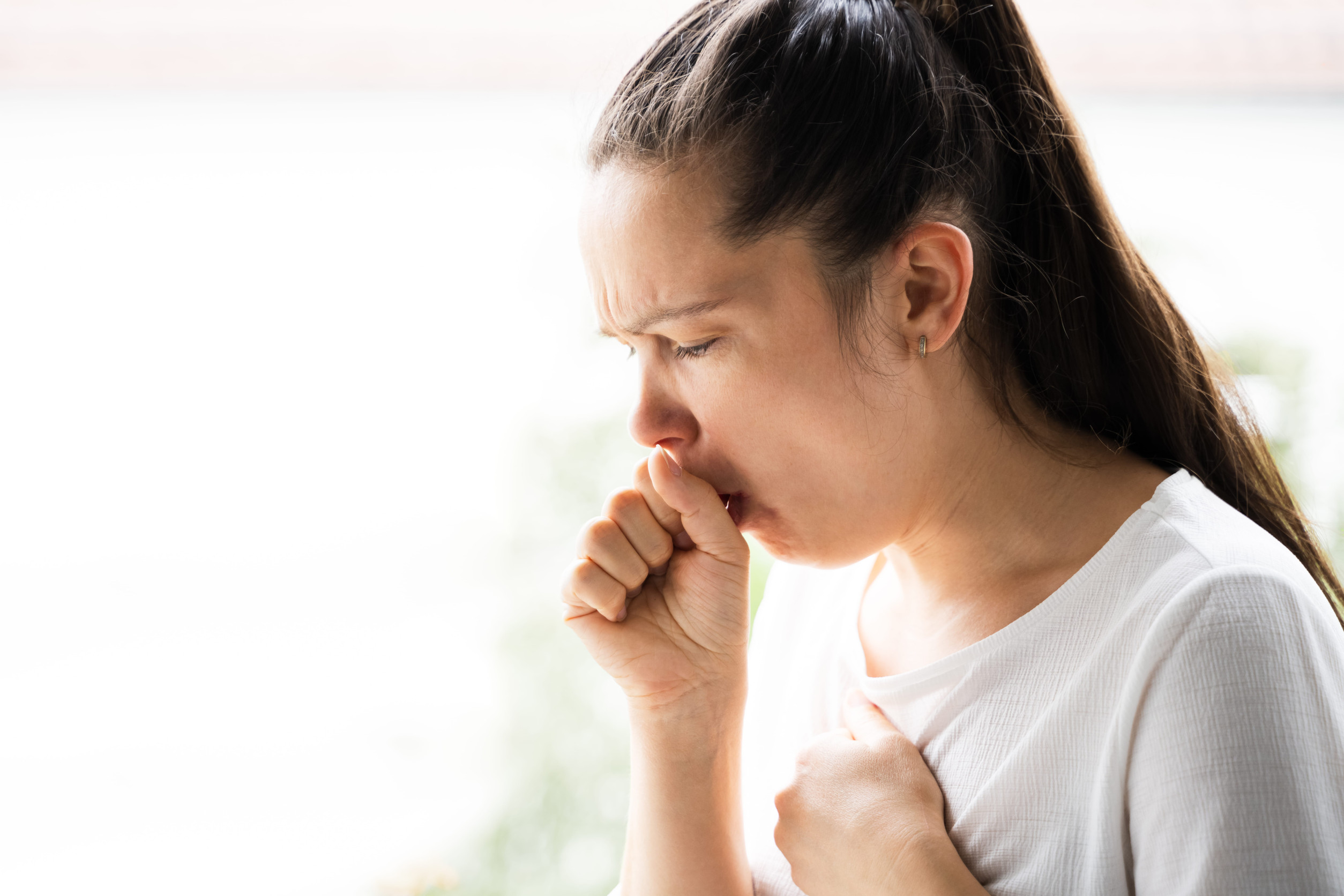
Woman with acute bronchitis symptoms Acute

Acute Bronchitis

Duration: 10 to 21 days, cough may linger 4+ weeks
Cause: Viral infection (same viruses as cold/flu) in 90%+ of cases
Outlook: Self-limiting. Full recovery expected. Antibiotics rarely needed.
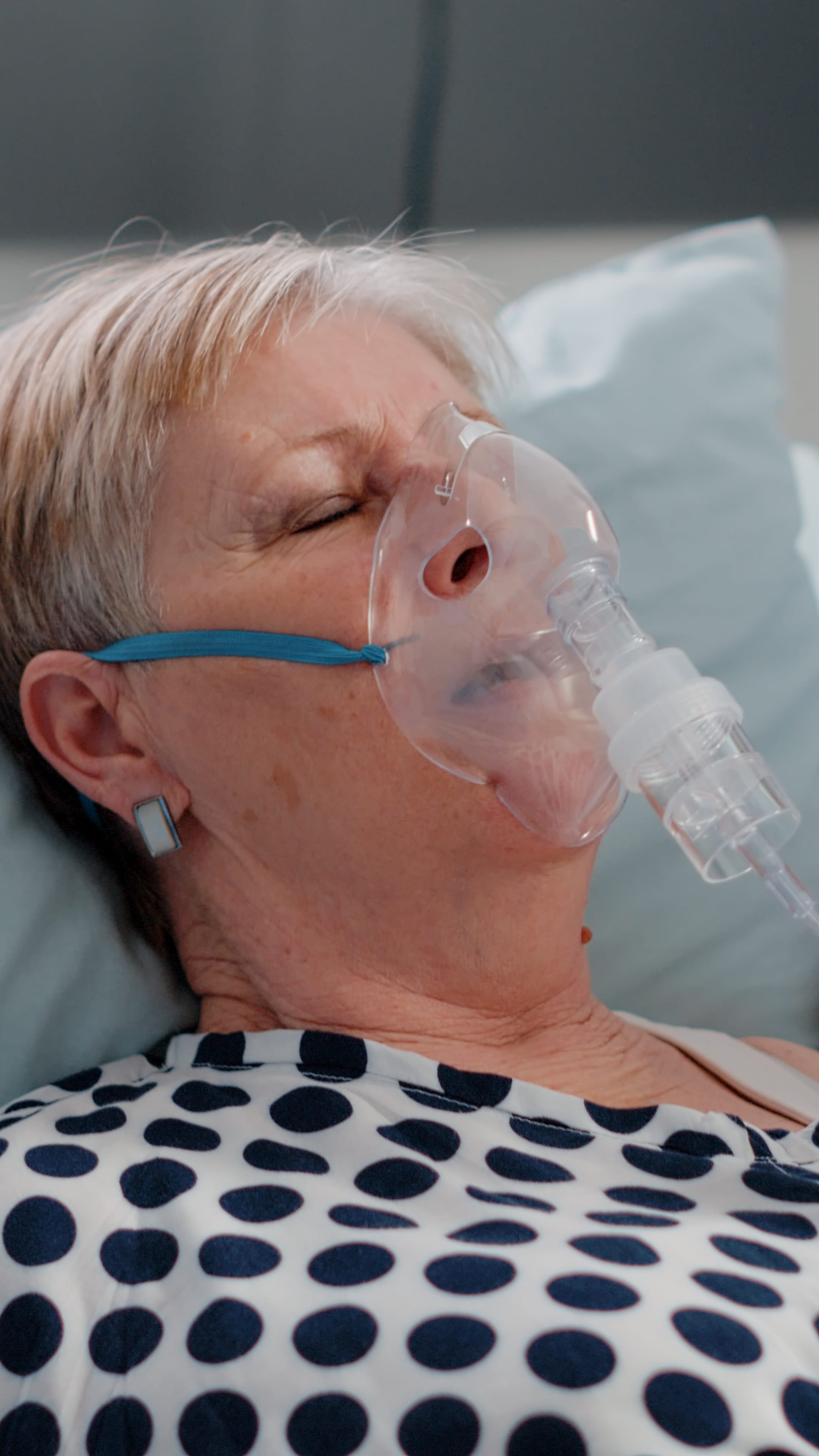
Woman with chronic bronchitis using breathing mask Chronic

Chronic Bronchitis

Duration: Productive cough for 3+ months/year, 2+ consecutive years
Cause: Long-term irritation: smoking (primary), air pollution, occupational dust
Outlook: Part of COPD. Manageable but not curable. Requires ongoing care.
Know the Signs

Common Bronchitis Symptoms

Most bronchitis symptoms overlap with a cold, but the cough tells the story. Here's what to watch for.

Persistent Cough

A cough that lasts 10 days to 3+ weeks, often worse at night. The hallmark symptom.

Mucus Production

Clear, white, yellow, or green sputum. Color alone doesn't indicate bacterial infection.

Chest Tightness

A feeling of pressure or constriction in the chest, especially during coughing fits.

Fatigue

Your body's fighting an infection. Feeling exhausted and run-down is the norm, not the exception.

Shortness of Breath

Mild breathlessness, particularly with physical activity. More pronounced in chronic bronchitis.

Low-Grade Fever

Temperatures around 100-101°F are common early on. Higher fevers may signal a secondary infection.

Sore Throat

Raw, scratchy throat from persistent coughing and post-nasal drip. Usually an early symptom.

Body Aches

General muscle aches and mild headache, particularly if bronchitis started from influenza.

Interactive Breathing Tool

4-7-8 Breathing Technique

This clinician-recommended exercise calms your nervous system, reduces cough reflex, and helps open airways. Practice 2-3 times daily for best results.

Ready
0
Press start to begin
1
Inhale4 seconds through nose
2
Hold7 seconds gently
3
Exhale8 seconds through mouth
Treatment Options

Managing Bronchitis Symptoms

Most bronchitis resolves with supportive care. Here's what actually helps, and what's usually unnecessary.

Medications That Help

Over-the-counter options can ease symptoms while your body fights the infection. Guaifenesin (Mucinex) thins mucus so you can cough it up more easily. Dextromethorphan (Robitussin DM) suppresses the cough reflex when you need rest.

For wheezing or chest tightness, your doctor might prescribe an albuterol (ProAir) inhaler. If inflammation is severe, a short course of oral steroids or inhaled budesonide can help. Save medications like RxSaver.ai to find the best prices on prescriptions.

  • Expectorants (guaifenesin) to thin and loosen mucus
  • Cough suppressants (dextromethorphan) for sleep relief
  • Bronchodilators (albuterol) for wheezing
  • Inhaled corticosteroids for severe inflammation
Doctor consulting patient about bronchitis treatment

Home Remedies That Work

A warm-mist humidifier in your bedroom keeps airways moist and reduces nighttime coughing. Honey (1-2 teaspoons before bed) is genuinely effective for cough suppression in adults and children over 12 months. Staying well-hydrated thins mucus naturally.

Steam inhalation from a hot shower or a bowl of warm water provides temporary relief. Rest isn't optional. Your immune system needs energy to clear the infection, and pushing through makes recovery take longer.

  • Humidifier to keep air moist (clean it daily)
  • Honey before bed to suppress cough naturally
  • 6-8 glasses of water daily to thin mucus
  • Steam inhalation for temporary airway relief
Doctor providing bronchitis treatment guidance
Know the Warning Signs

When Bronchitis Needs a Doctor

Most acute bronchitis clears on its own. But certain symptoms signal something more serious, from pneumonia to undiagnosed asthma to heart conditions that mimic respiratory problems. If you need a pulmonologist, DrFinder.ai helps you locate specialists nearby.

  • Difficulty breathing at rest or lips/fingertips turning blue
  • Fever above 101°F lasting more than 3 days
  • Coughing blood or blood-streaked mucus
  • Cough lasting more than 4 weeks without improvement
  • Recurring bronchitis (3+ times per year) suggesting underlying condition
Patient receiving respiratory care in hospital
If you can't breathe, call 911 immediately.
Reduce Your Risk

Preventing Bronchitis

You can't avoid every respiratory infection, but you can significantly lower your chances.

Hand Hygiene

Wash hands frequently for 20+ seconds. Avoid touching your face. Use hand sanitizer when soap isn't available.

Get Vaccinated

Annual flu vaccine and pneumococcal vaccine reduce your risk of infections that lead to bronchitis.

Air Quality

Use HEPA air purifiers indoors. Avoid exercising near heavy traffic. Check AQI on high-pollution days.

Quit Smoking

Smoking is the #1 cause of chronic bronchitis. Quitting reduces your risk within months. Your lungs start healing immediately.

Self-Assessment Tool

Bronchitis Symptom Quiz

Answer 8 questions to understand your symptom severity. This is an educational tool, not a diagnosis.

Question 1 of 8
Your Results
0
Mild
Discuss with Lung Dr AI

This quiz is for educational purposes only and does not constitute medical advice. Always consult a healthcare provider for diagnosis and treatment.

Pulmonary specialist

"Most patients I see are surprised to learn that their 'lingering cold' is actually bronchitis. The cough can persist for weeks after the infection clears, and that's perfectly normal. What concerns me is when patients don't seek care for the warning signs, or take antibiotics when they don't need them."

Pulmonary Medicine Perspective
BuiltForAI Healthcare Editorial Team
AI-Powered Guidance

Respiratory Dr. AI

Ask questions about bronchitis symptoms, treatments, and respiratory health. Always consult your doctor for medical decisions.

Respiratory Dr. AI

Ask about bronchitis, cough, breathing
Hello! I'm the Respiratory Dr. AI. I can help answer questions about bronchitis symptoms, treatments, breathing exercises, and when to seek medical care. What would you like to know?
Latest Research & Guides

Bronchitis Articles

Expert-reviewed content on bronchitis treatment, prevention, and respiratory health.

Conditions

Acute vs. Chronic: How to Know Which Bronchitis You Have

The two types share a name but have very different causes, durations, and treatment plans.

Treatment

OTC Cough Medicines: Which Ones Actually Work for Bronchitis

A pulmonologist's take on guaifenesin, dextromethorphan, and combination products.

Prevention

Why You Keep Getting Bronchitis Every Winter

Recurrent infections might point to underlying issues. Here's what to look for.

Common Questions

Bronchitis FAQ

Acute bronchitis typically resolves in 10 to 14 days, though the cough can linger for 3 to 4 weeks. This "post-infectious cough" is frustrating but normal. If your cough persists beyond 4 weeks or gets worse instead of better, see your doctor to rule out pneumonia, asthma, or other conditions.
Acute bronchitis caused by a virus is contagious, typically for the first 3 to 5 days of symptoms. You spread it through respiratory droplets when you cough or sneeze. Chronic bronchitis, caused by long-term irritation like smoking, is not contagious at all.
About 90% of acute bronchitis is viral, meaning antibiotics won't help. Antibiotics only work against bacteria. Your doctor might prescribe them if they suspect a bacterial infection (persistent high fever, worsening symptoms after initial improvement, or certain lab results). Taking unnecessary antibiotics contributes to antibiotic resistance and can cause side effects.
Bronchitis affects the bronchial tubes (airways), while pneumonia infects the lungs themselves (the alveoli where oxygen exchange happens). Pneumonia typically causes higher fever, more severe breathing difficulty, sharp chest pain, and can be visible on a chest X-ray. Bronchitis can sometimes progress to pneumonia, which is one reason to watch for worsening symptoms.
Yes, though it's not common in healthy adults. The inflammation from bronchitis can weaken your lung defenses, making it easier for bacteria to establish a deeper infection. People at higher risk include those over 65, young children, smokers, and anyone with compromised immune systems. If your symptoms are getting worse instead of better after 7 to 10 days, see your doctor.
During the acute phase (first week or so), rest is more helpful than exercise. Once you're starting to feel better, gentle walking and light stretching are fine. Avoid intense cardio until your cough has mostly cleared, as heavy breathing through inflamed airways can prolong recovery and trigger coughing fits. Listen to your body.
No. This is one of the most persistent myths in medicine. Green or yellow mucus simply means your immune system is actively fighting an infection, whether viral or bacterial. The color comes from an enzyme (myeloperoxidase) in your white blood cells. Mucus color alone cannot distinguish between viral and bacterial infections.
Sleep with your head elevated on an extra pillow to reduce post-nasal drip. Run a warm-mist humidifier in your bedroom. Take a teaspoon of honey before bed (it genuinely suppresses cough). A cough suppressant like dextromethorphan (Robitussin DM, Delsym) taken 30 minutes before bed can help you sleep through the night. Avoid cold, dry air.
Chronic bronchitis is one of two conditions that fall under the COPD umbrella (the other is emphysema). COPD stands for chronic obstructive pulmonary disease. If you have chronic bronchitis, you have a form of COPD. Not everyone with COPD has chronic bronchitis, though. Treatment focuses on slowing progression, managing symptoms, and improving quality of life.
You're most contagious during the first 3 to 5 days, so staying home during that window helps protect coworkers. Most people feel well enough to return to work after 7 to 10 days, even if the cough lingers. If your job involves physical labor or you work in environments with dust or fumes, you may need a few extra days. The cough can persist for weeks but doesn't mean you're still contagious.